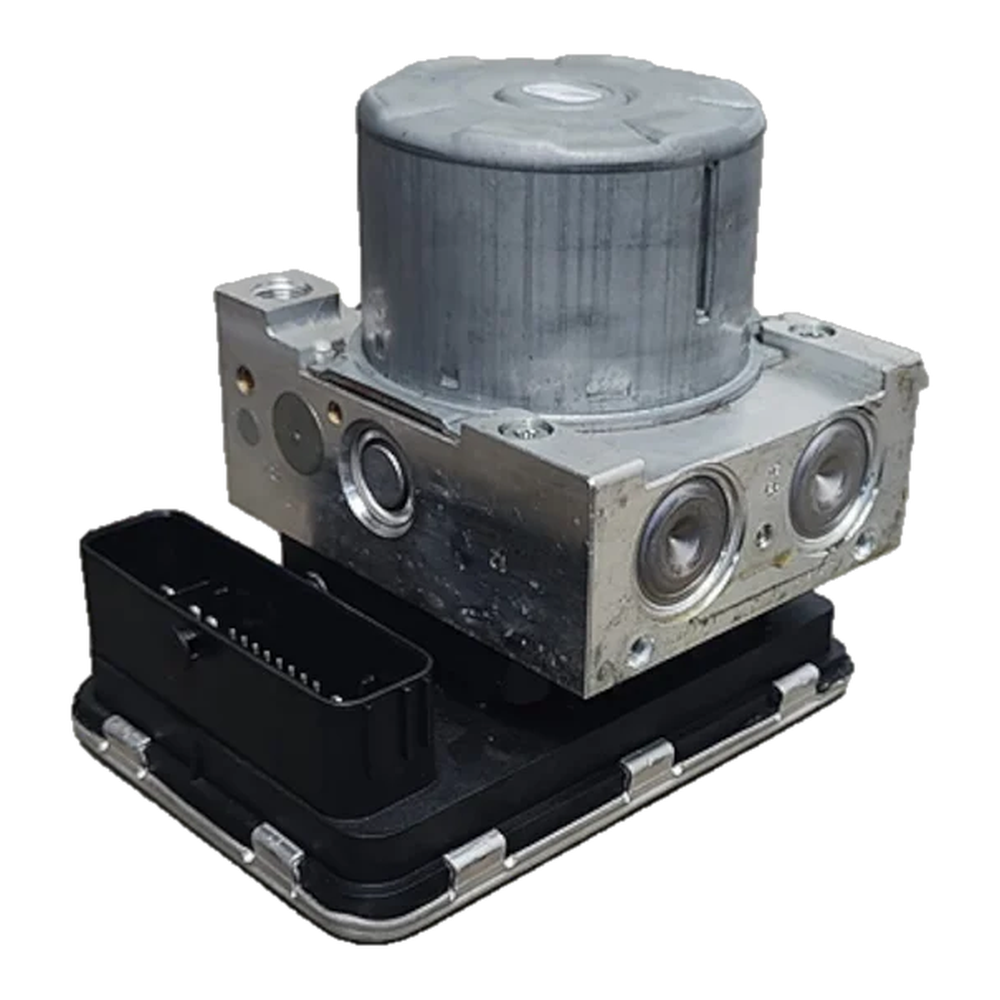
ABS / ESP Control Module Repair
Assessment fee deducted from an approved repair. Repair is not included in the assessment price.
Feedback from garages and vehicle owners
Professional repair, testing and return.
Price and payment
Every unit is different, so the final price depends on what we find on the bench. Not sure what is wrong? Choose the bench test (£45, deducted from the repair if you go ahead). Already know the fault? Order the repair at the standard price. If the fault needs more work, we send you a written quote for the difference and wait for your approval before doing it.
| Level 1 – Standard repair | £220 | The most common fault for this module, confirmed on the bench. |
|---|---|---|
| Level 2 – Extended repair | £320 | More extensive damage or several failed circuits. |
| Level 3 – Advanced repair | Quoted | Severe damage, previous repair attempts or data recovery. |
Every level includes diagnosis, final test, report and tracked UK return. If the unit cannot be repaired, you are refunded the price less the £45 diagnostic assessment and the unit comes back with the report. No VAT added – we are not VAT registered. Prices and terms · 12-month warranty.
UK postal repair for the electronic control module of ABS and ESP units. The module is mounted on the hydraulic block; most electronic faults are in the module, so the hydraulic unit can often stay on the car.
Common symptoms
- ABS, ESP and traction control warning lights on together
- No communication with the ABS module
- Pump motor running constantly or not at all
- Speedometer or other systems affected by missing wheel speed data
- Faults that come and go with temperature or bumps
Check sensors and wiring first
Wheel speed sensors, tone rings, wiring and the module supply fuse cause many ABS warnings. If the module does not communicate or reports internal or valve faults, a bench test confirms it.
Common fault codes
| Code | Meaning (generic) |
|---|---|
U0121 |
Lost communication with ABS control module |
C-codes |
Valve, pump motor or internal module faults (manufacturer specific) |
What happens on the bench
- Intake – photos, job number, condition, signs of water or previous repair.
- Identification – part number, hardware and software versions.
- Data backup – memory read and saved before work where the unit allows it.
- Fault confirmation – supply, valve and pump outputs and communication are tested.
- Repair – the confirmed fault is repaired and checked.
- Final test and report – pass, partial or fail, with test limits stated.
How to send your unit
- Order the repair and enter the unit details – part number, registration and fault codes.
- Remove the module with the battery disconnected and note the part number from the label.
- Pack it in an anti-static bag with padding (packing instructions) and write the order number on the box.
- Post it with tracking or book a collection quotation.
- Request a progress update using your order or TTR reference by email or WhatsApp. Return transport arrangements are confirmed in your quotation.
FAQ
Will the module need coding after refitting?
Your original unit is returned, so in most cases its coding stays in place. Any in-vehicle steps needed (for example a basic setting or calibration) are stated in the report.
Do I need to remove the whole ABS unit?
Usually only the electronic module is removed from the hydraulic block, which avoids opening the brake system. Removal steps depend on the model – ask us if unsure.
Compatibility is confirmed by complete part number and hardware revision. A vehicle make or model alone does not confirm that a unit is supported. Send a label photo before ordering.
VEHICLE FITMENT
Compatibility guideVehicle lists are identification guidance, not a fitment guarantee. Send the complete part number and hardware revision for confirmation before ordering. A similar-looking unit is not proof of compatibility.
