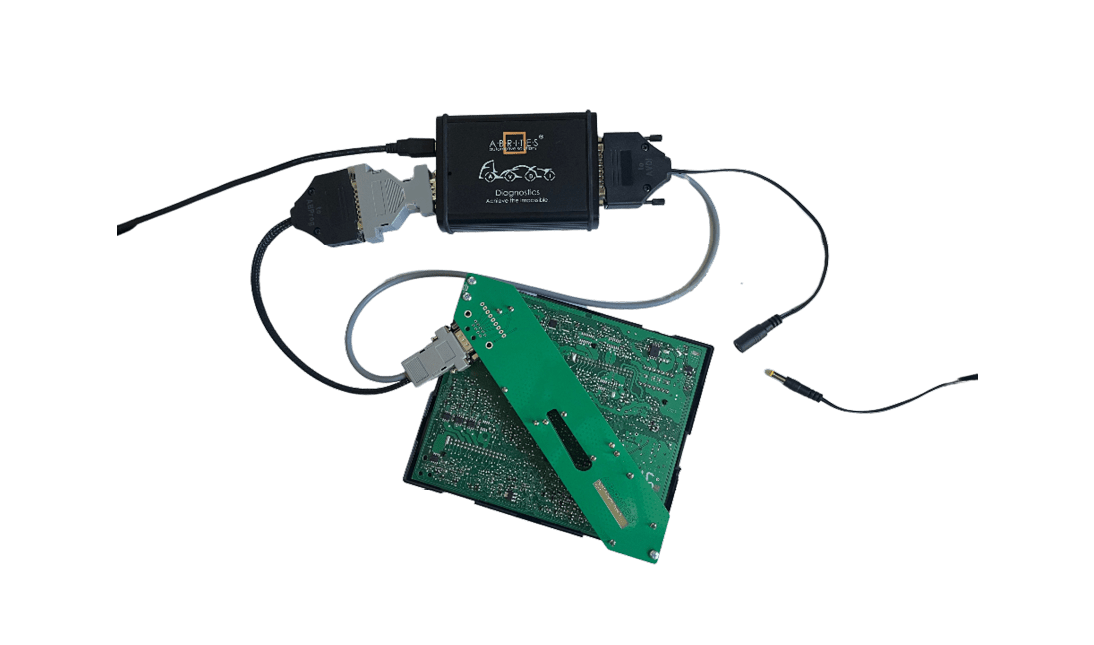
VAG Comfort Control Module Repair
Assessment fee deducted from an approved repair. Repair is not included in the assessment price.
Feedback from garages and vehicle owners
Professional repair, testing and return.
Price and payment
Every unit is different, so the final price depends on what we find on the bench. Not sure what is wrong? Choose the bench test (£45, deducted from the repair if you go ahead). Already know the fault? Order the repair at the standard price. If the fault needs more work, we send you a written quote for the difference and wait for your approval before doing it.
| Level 1 – Standard repair | £170 | The most common fault for this module, confirmed on the bench. |
|---|---|---|
| Level 2 – Extended repair | £260 | More extensive damage or several failed circuits. |
| Level 3 – Advanced repair | Quoted | Severe damage, previous repair attempts or data recovery. |
Every level includes diagnosis, final test, report and tracked UK return. If the unit cannot be repaired, you are refunded the price less the £45 diagnostic assessment and the unit comes back with the report. No VAT added – we are not VAT registered. Prices and terms · 12-month warranty.
UK postal repair for Volkswagen Group comfort control modules (comfort system central control unit), which manage central locking, alarm, windows, mirrors and interior lights on many older VW, Audi, Skoda and SEAT models.
Send us your original unit. We confirm the fault on the bench, repair it and return the same unit.
Common symptoms
- Central locking not working or locking by itself
- Windows not responding
- Alarm triggering without reason
- Battery draining
- No communication with the comfort module
Check the door wiring first
Broken wires between the door and the body are a common cause of locking and window faults. If the wiring is good, a bench test confirms whether the module is faulty.
Vehicle applications
Fitment is confirmed by the part number on your unit.
Possible causes
- Water ingress – these modules are often mounted low in the cabin
- Failed output drivers
What happens on the bench
- Intake – photos, job number, housing and connector condition, signs of water or previous repair.
- Identification – part number, hardware and software versions recorded.
- Data backup – where the unit allows it, memory (EEPROM/flash) is read and saved before any work, so coding and vehicle data can be kept.
- Measurements and fault confirmation – outputs, inputs and communication are tested.
- Repair – the confirmed fault is repaired and checked.
- Final test and report – pass, partial or fail, what was tested and what could not be tested on the bench.
How to send your unit
- Order the repair and enter the unit details – part number, registration and fault codes.
- Remove the module with the battery disconnected. Note the part number from the label and take a photo of it.
- Pack it in an anti-static bag with padding – see our packing instructions – and write the order number on the box.
- Post it with tracking or book a collection quotation.
- Request a progress update using your order or TTR reference by email or WhatsApp. Return transport arrangements are confirmed in your quotation.
FAQ
Will the module need coding after refitting?
Your original unit is repaired and returned, so in most cases its coding and vehicle data stay in place. If memory was damaged, we tell you in the report what needs to be done in the vehicle.
Do you test the unit before repair?
Yes. The fault is confirmed on the bench before work starts, and the unit is tested again after repair. The report lists what was tested.
VEHICLE FITMENT
Compatibility guideVehicle lists are identification guidance, not a fitment guarantee. Send the complete part number and hardware revision for confirmation before ordering. A similar-looking unit is not proof of compatibility.
